

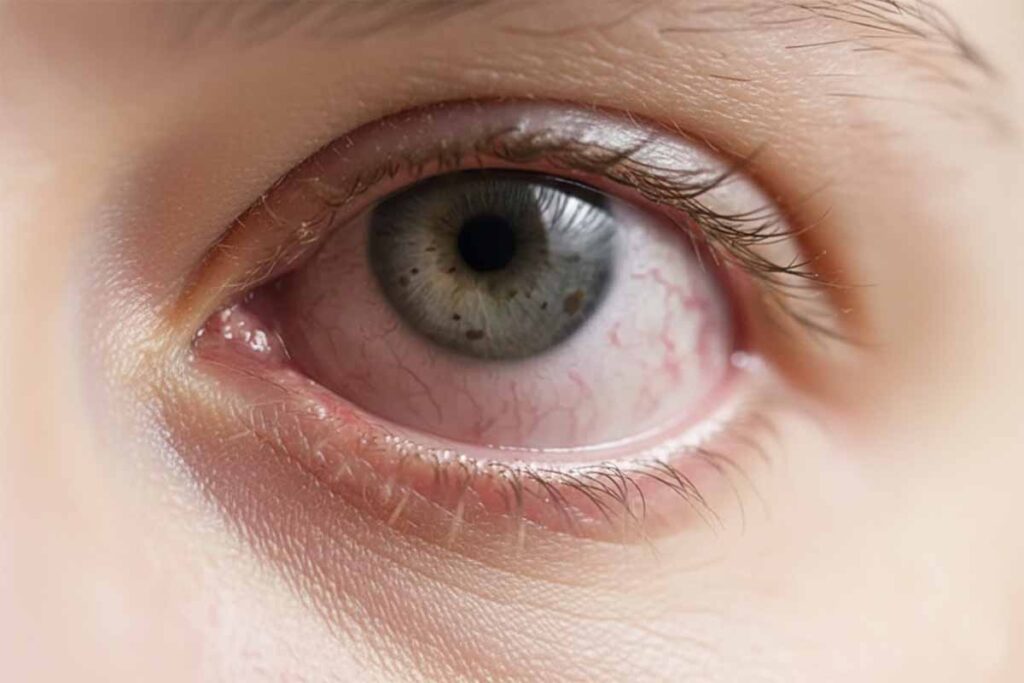
Ocular allergy is a condition in which the eyes react to allergens such as dust, pollen, or environmental irritants. It commonly causes itching, redness, and watering of the eyes.
Ocular allergy occurs due to an exaggerated immune response to allergens. Common triggers include dust, pollen, smoke, and pet dander.
Vernal keratoconjunctivitis (VKC) is a more severe, chronic form of ocular allergy that typically affects children and young adults and may have a seasonal pattern.
Common symptoms include:
Diagnosis is based on clinical examination by an eye specialist. Typical findings include characteristic changes in the conjunctiva and cornea, along with a history of recurrent symptoms.
Treatment depends on severity and may include:
Most cases are mild and manageable. However, severe forms such as VKC can affect the cornea and vision if not treated appropriately. Regular follow-up is important in such cases.
Steroid eye drops should only be used under medical supervision. Improper or prolonged use can lead to complications such as increased eye pressure (glaucoma), cataract formation, and infections.