

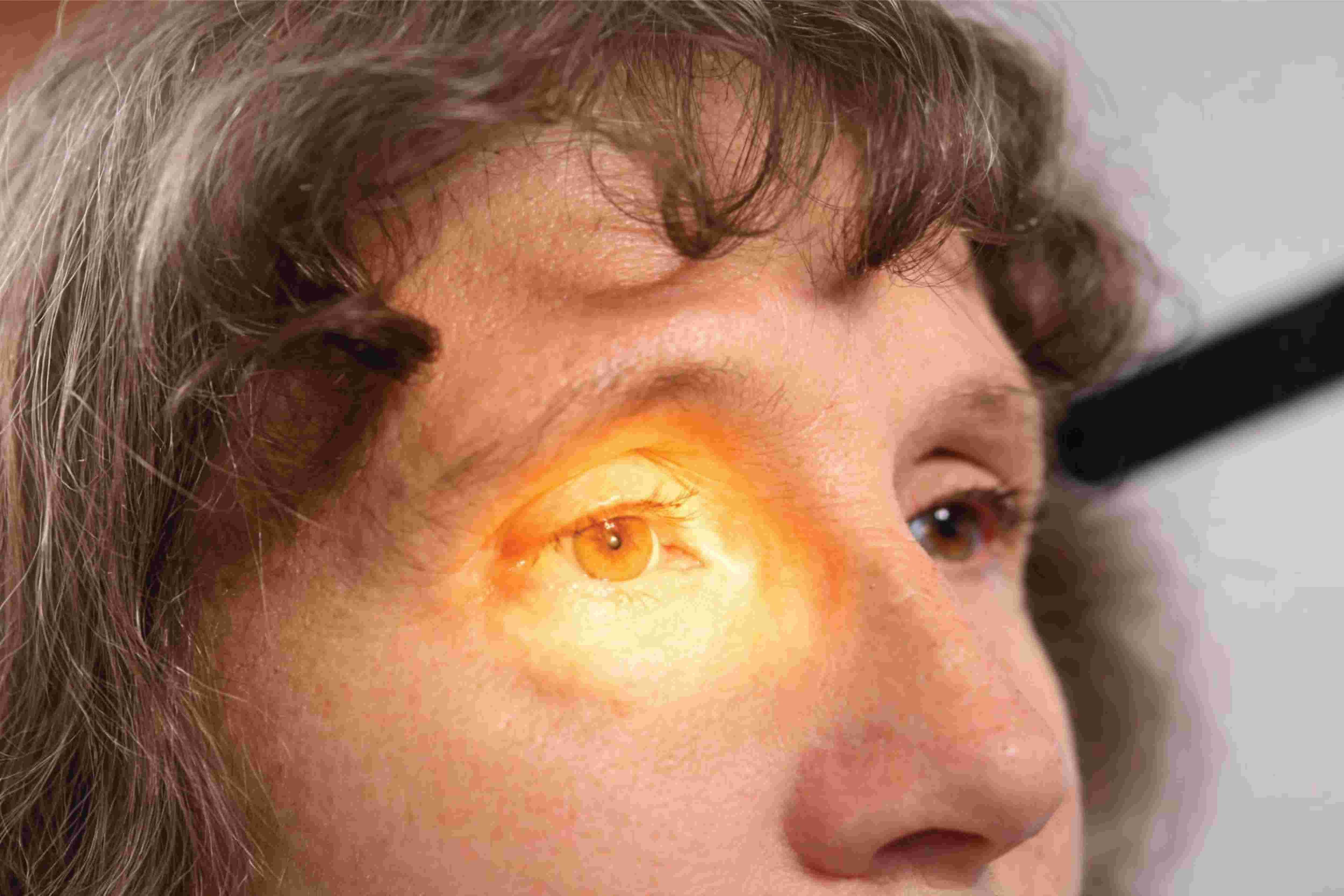
A cataract is a condition in which the natural lens of the eye becomes cloudy, leading to blurred or reduced vision. It is most commonly age-related but can also occur due to other factors.
Common symptoms include:
The only definitive treatment for cataract is surgery. In early stages, glasses may help temporarily, but surgery is required when vision begins to affect daily activities.
Cataract surgery involves removing the cloudy natural lens and replacing it with an artificial intraocular lens (IOL). It is a safe and commonly performed procedure, usually done as a day-care surgery.
MICS is an advanced form of cataract surgery performed through very small incisions. It allows faster healing, minimal discomfort, and early visual recovery.
An intraocular lens (IOL) is an artificial lens implanted in the eye after cataract removal. Types include:
The choice depends on individual needs and eye condition.
Intraocular lenses are designed to last a lifetime.
Cataracts typically progress over time, leading to worsening vision. Delaying surgery may make the procedure more complex and can affect quality of life.
Cataract surgery is usually performed under local anesthesia (eye drops or injection) with or without mild sedation. General anesthesia is rarely required.