

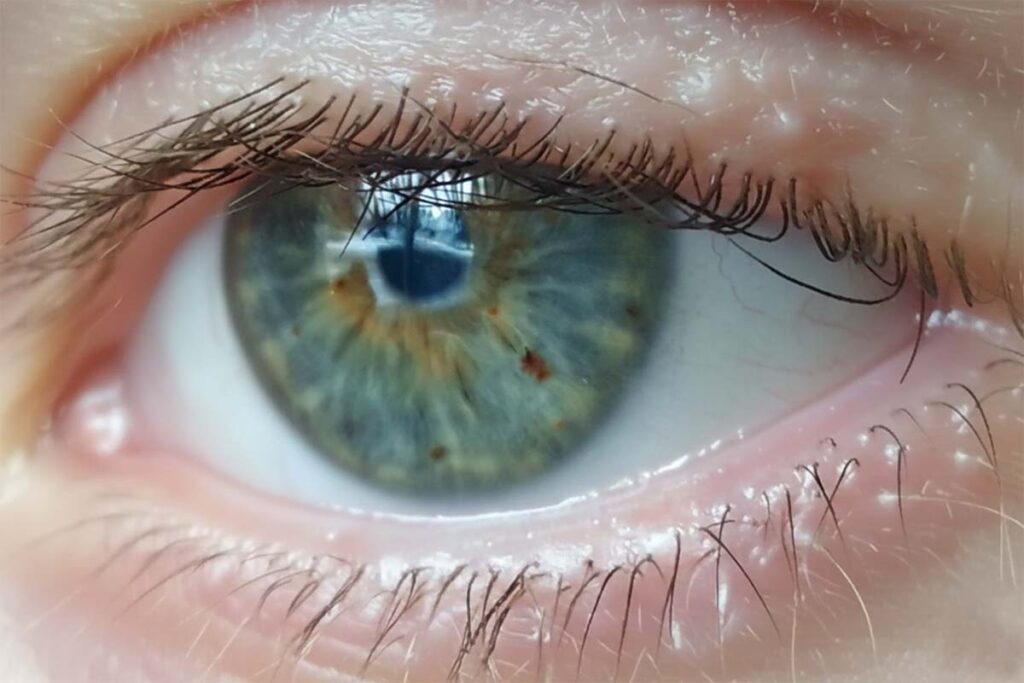
Diabetic retinopathy is a condition in which high blood sugar levels damage the blood vessels of the retina, leading to vision problems. It is one of the most common causes of vision loss in people with diabetes.
Diabetes can damage small blood vessels in the retina, causing leakage, swelling, or abnormal blood vessel growth. This can lead to blurred vision and, if untreated, permanent vision loss.
Anyone with diabetes—type 1 or type 2—can develop diabetic retinopathy. The risk increases with longer duration of diabetes, poor blood sugar control, high blood pressure, and high cholesterol.
In early stages, there may be no symptoms. As the condition progresses, symptoms may include:
Treatment depends on the stage of the disease and may include:
An intravitreal injection is a procedure in which medication is injected into the eye to treat retinal conditions such as proliferative diabetic retinopathy and diabetic macular edema.
Depending on the condition, treatment may include laser treatment or surgery. However, injections are often the most effective treatment for many cases.
Without treatment, diabetic retinopathy can worsen and lead to irreversible vision loss. Early treatment helps preserve vision.