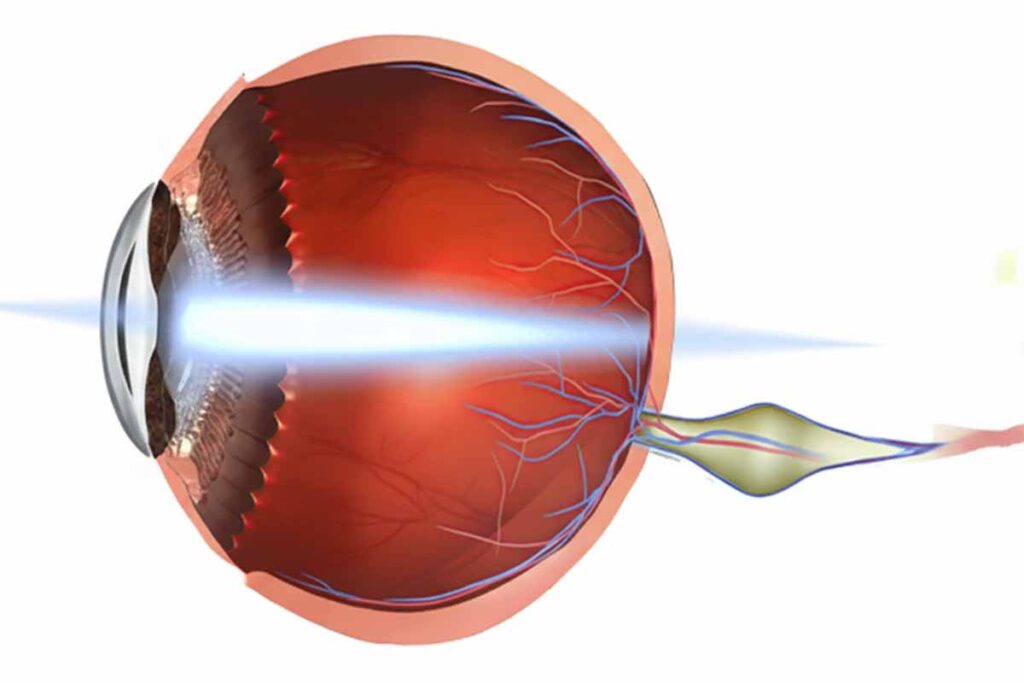
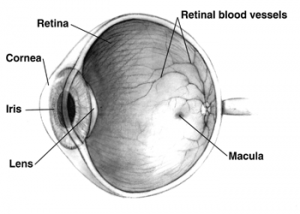
A macular hole is a small break in the macula, the central part of the retina responsible for sharp, detailed vision. It can lead to blurred and distorted central vision.
What causes a macular hole?
Most commonly, macular holes occur due to age-related changes in the vitreous gel inside the eye. Other causes include trauma, high myopia, or previous eye conditions.
What are the symptoms of a macular hole?
Blurred or distorted central vision
Difficulty reading or recognizing faces
A dark or empty spot in the center of vision
What are the types of macular hole?
Macular holes are usually classified in stages (early to advanced) based on their size and severity.
How is a macular hole treated?
Most macular holes require surgery (vitrectomy) to close the hole and improve vision.
What does the surgery involve?
Surgery involves removing the vitreous gel, relieving traction on the macula, and placing a gas bubble inside the eye to help close the hole.
What are the benefits of surgery?
Closure of the macular hole
Improvement or stabilization of vision
Prevention of further vision loss
How successful is macular hole surgery?
Surgery is highly successful, with closure rates of over 90% in many cases, especially when treated early.
What happens if I cannot maintain a face-down position after surgery?
Face-down positioning helps improve surgical success, but alternatives may be discussed depending on individual cases and surgical techniques.
What can I do to help make the operation successful?
Follow postoperative instructions carefully
Maintain advised head positioning
Use prescribed eye drops regularly
Attend follow-up visits
What complications can occur?
Infection
Bleeding
Cataract progression
Raised eye pressure
Failure of hole closure (rare)
What will happen if I decide not to have the operation?
Without treatment, the macular hole may enlarge, leading to worsening and permanent central vision loss.
What is the procedure on the day of surgery?
The surgery is usually performed under local or general anesthesia and typically takes about an hour. Most patients can go home the same day or the next day.
How soon will I recover?
Initial recovery occurs over a few weeks, but visual improvement may continue for several months.