

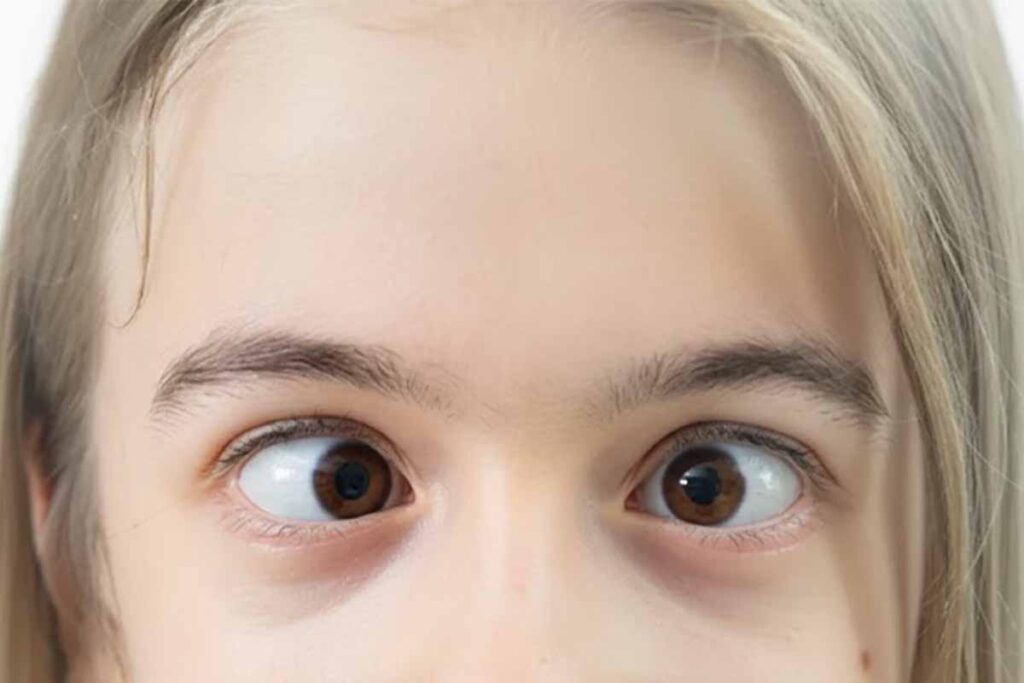
Normally, our eyes are straight while looking at any object. However, in some children, while looking straight, the eyes do not see in the same direction. While one eye looks straight ahead, the other eye is turned either inwards or outwards. This is called a squint.
Dr Jai Kelkar, Director, NIO Super Speciality Eye Care explains what is squint ? What is its types? What are the treatments and what type of surgeries are involved
Squint (also called strabismus) is a condition in which the two eyes are not aligned in the same direction. One eye may look straight ahead while the other turns inward, outward, upward, or downward.
Squint can occur due to an imbalance in the muscles that control eye movements or problems with coordination between the eyes and brain. Common causes include:
Squint can be classified based on the direction of deviation:
It may also be constant or intermittent, and present since childhood or acquired later in life.
Treatment depends on the cause and severity. Options include:
Surgery is advised when squint cannot be corrected with glasses or other non-surgical methods, or when the eye deviation is significant. Early treatment is important in children to prevent lazy eye (amblyopia) and to promote proper visual development. In adults, surgery is done to improve eye alignment, binocular vision, and appearance.