
Our Services
OUR SERVICES
We recognise the value of both your trust and your eyes. We specialise in delivering top-notch eye treatment where patients feel heard and taken care of across all three of our facilities. At every stage of your treatment journey, you will always know what to expect with our approach that combines skilled specialists, cutting-edge technology, and transparent communication.
CATARACT SERVICES
A cataract occurs when the natural lens of the eye becomes cloudy or opaque, leading to blurred or reduced vision. As the cataract progresses, it can make everyday activities such as reading, driving, or recognizing faces increasingly difficult.
Cataract surgery is usually recommended when vision loss begins to interfere with daily life and routine activities.
Surgical Technology
Cataract surgery is most commonly performed using Phacoemulsification (microphacoemulsification), a modern technique that uses ultrasonic energy to remove the cloudy lens and replace it with an artificial intraocular lens.
Advanced surgical technologies available include:
- Capsulaser
- Femtosecond Laser
- Zepto Precision Pulse Capsulotomy
- 3D Artevo 800 Surgical Visualization System
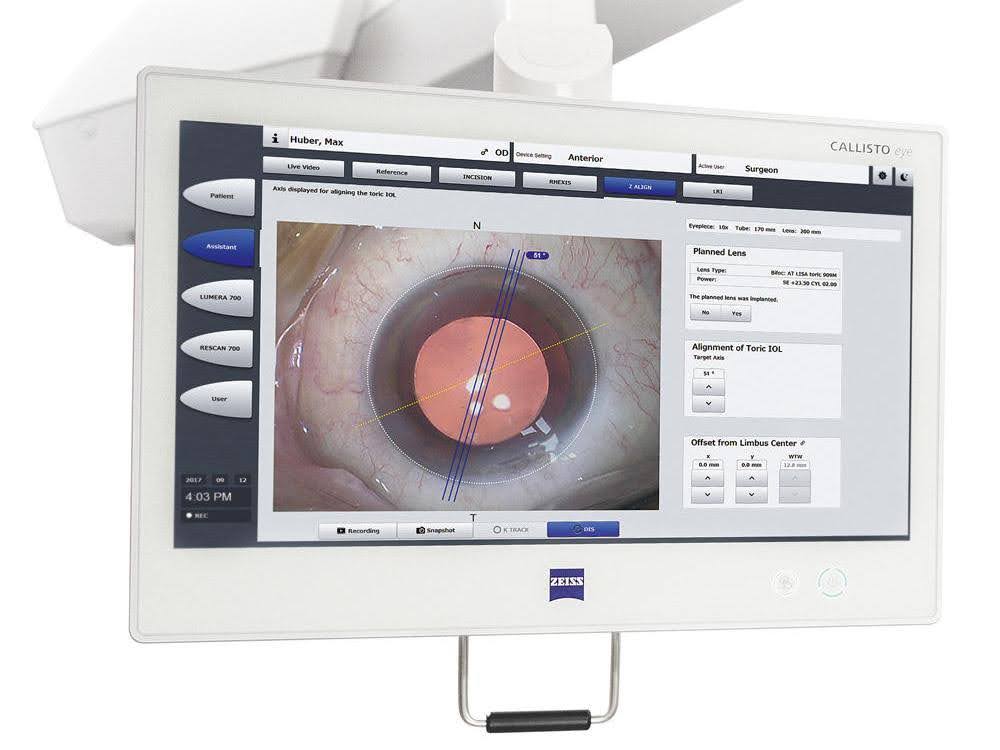
- Image-guided Callisto Eye System
Refractive Surgery
Refractive surgery helps reduce or eliminate dependence on glasses or contact lenses by correcting vision errors. Two common options include Laser Vision Correction and Implantable Collamer Lens (ICL) procedures.
Laser Vision Correction
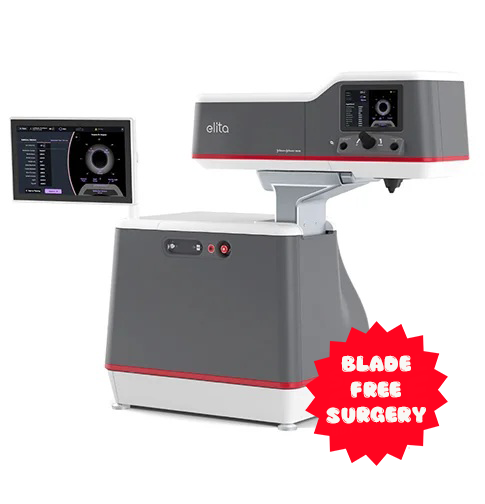
Laser vision correction reshapes the cornea using advanced laser technology to correct refractive errors and reduce dependence on spectacles. This blade-free, minimally invasive procedure offers greater patient comfort along with faster recovery and early visual improvement. By precisely reshaping the cornea, it helps deliver excellent and predictable visual outcomes, allowing patients to experience clearer vision with improved convenience in their daily lives.
Common techniques include:
- SILK
- Femto LASIK
- Contoura LASIK
- PRK
- Surface Ablation
The latest advancement, SILK ELITA, uses ultra-precise femtosecond laser technology to deliver highly accurate and comfortable treatment.
Implantable Collamer Lens (ICL)
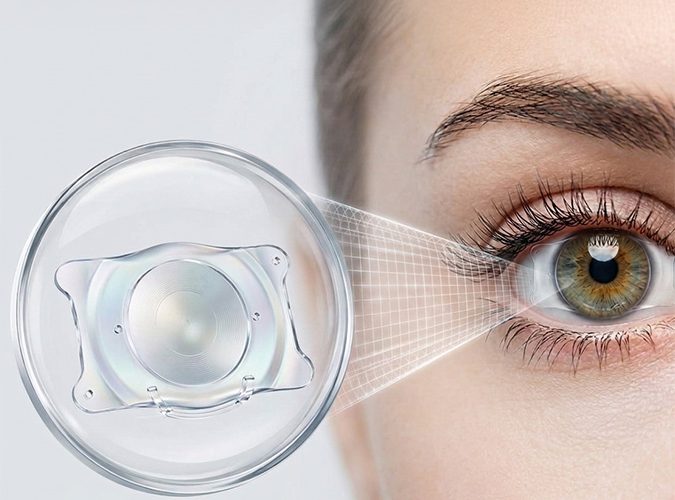
ICL is an artificial lens that is permanently implanted inside the eye to correct vision.
The lens is placed behind the iris and in front of the natural lens through a small surgical incision.
Types of ICL include:
- Spherical ICL
- Toric ICL
ICL is often recommended for patients with high spectacle numbers that cannot be corrected with laser surgery.
GLAUCOMA SERVICES
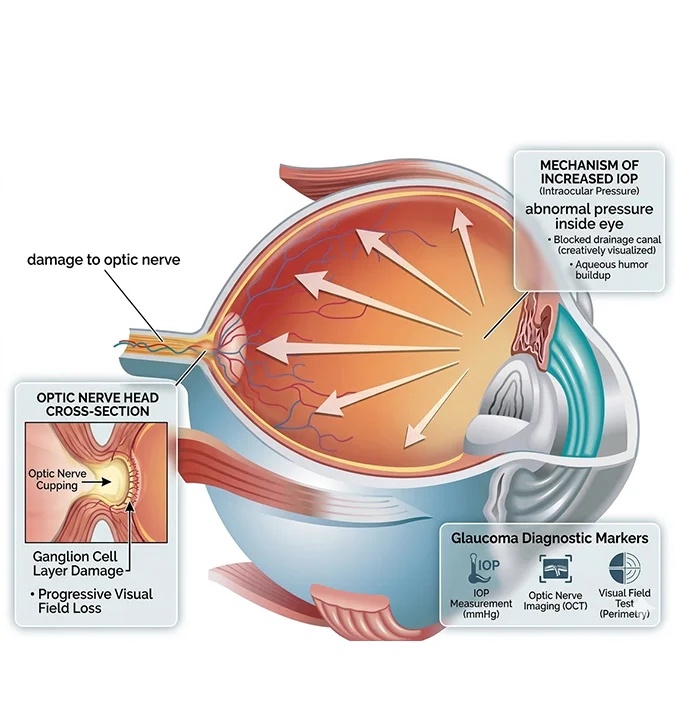
Glaucoma is an eye condition in which increased pressure inside the eye damages the optic nerve, the structure responsible for transmitting visual information to the brain. If left untreated, this damage can lead to gradual and permanent vision loss, and in severe cases, blindness.
The condition often develops slowly and may not show noticeable symptoms in its early stages, making regular eye examinations essential for early detection.
How Glaucoma Develops
Inside the eye, a clear fluid called aqueous humor is continuously produced and drained. When this drainage system does not function properly, fluid builds up and increases pressure within the eye. Over time, this elevated pressure can damage the optic nerve and affect vision.
Types of Glaucoma
Open-Angle Glaucoma
The most common type of glaucoma. It develops gradually and is usually painless. Vision loss typically begins with peripheral (side) vision and progresses slowly over time.
Angle-Closure Glaucoma
A less common but more serious form of glaucoma caused by a sudden increase in eye pressure. It can present with symptoms such as severe eye pain, redness, headache, and blurred vision, and requires immediate medical attention.
Treatment Options
The goal of glaucoma treatment is to lower eye pressure and prevent further damage to the optic nerve.
Medicated Eye Drops
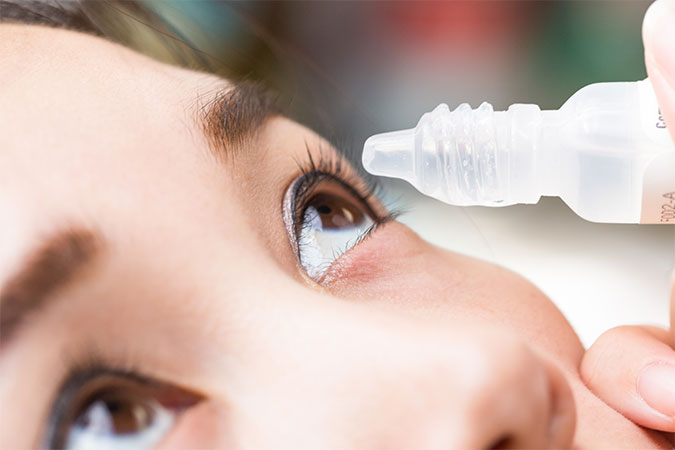
Eye drops are the most common treatment and help reduce eye pressure. They must be used regularly as prescribed by the ophthalmologist.
Laser Treatment
In selected cases, laser procedures can improve the eye’s fluid drainage system and help lower intraocular pressure.
Surgical Treatment
When medications and laser treatments are not sufficient, surgery may be recommended to create a new drainage pathway for the eye fluid.
Importance of Early Detection
Vision loss caused by glaucoma cannot be reversed. However, early diagnosis and timely treatment can effectively slow or prevent further vision loss.
RETINA SERVICES
Our retina services focus on the specialised diagnosis and treatment of complex retinal conditions that can affect vision and long term eye health. The retina plays a critical role in sight, and diseases affecting this delicate tissue require timely evaluation and advanced care to prevent vision loss.
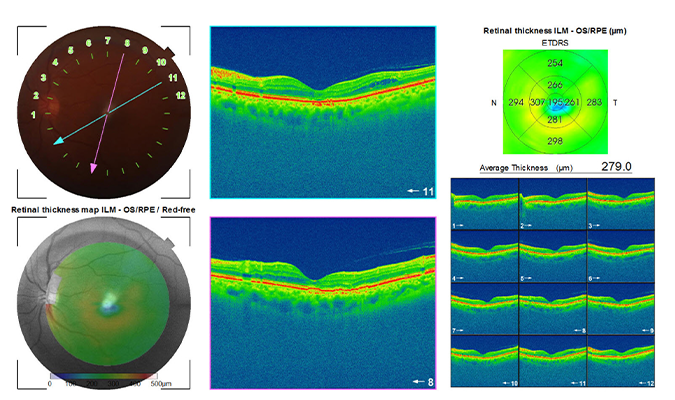
Our team provides comprehensive medical and surgical retina care, using modern diagnostic tools and treatment techniques tailored to each patient’s condition.
Retina services include:
- Diabetic retinopathy screening and treatment
- Retinal laser procedures
- Intravitreal injections
- Medical and surgical management of retinal diseases
Why Are Intravitreal Injections Given?
Certain eye conditions can cause swelling or damage in the macula, the central part of the retina responsible for sharp and detailed vision. When the macula becomes affected, it can lead to blurred or distorted vision.
Intravitreal injections are commonly used to treat conditions such as:
- Diabetic maculopathy
- Age-related macular degeneration (wet type)
- Retinal vascular occlusions, etc
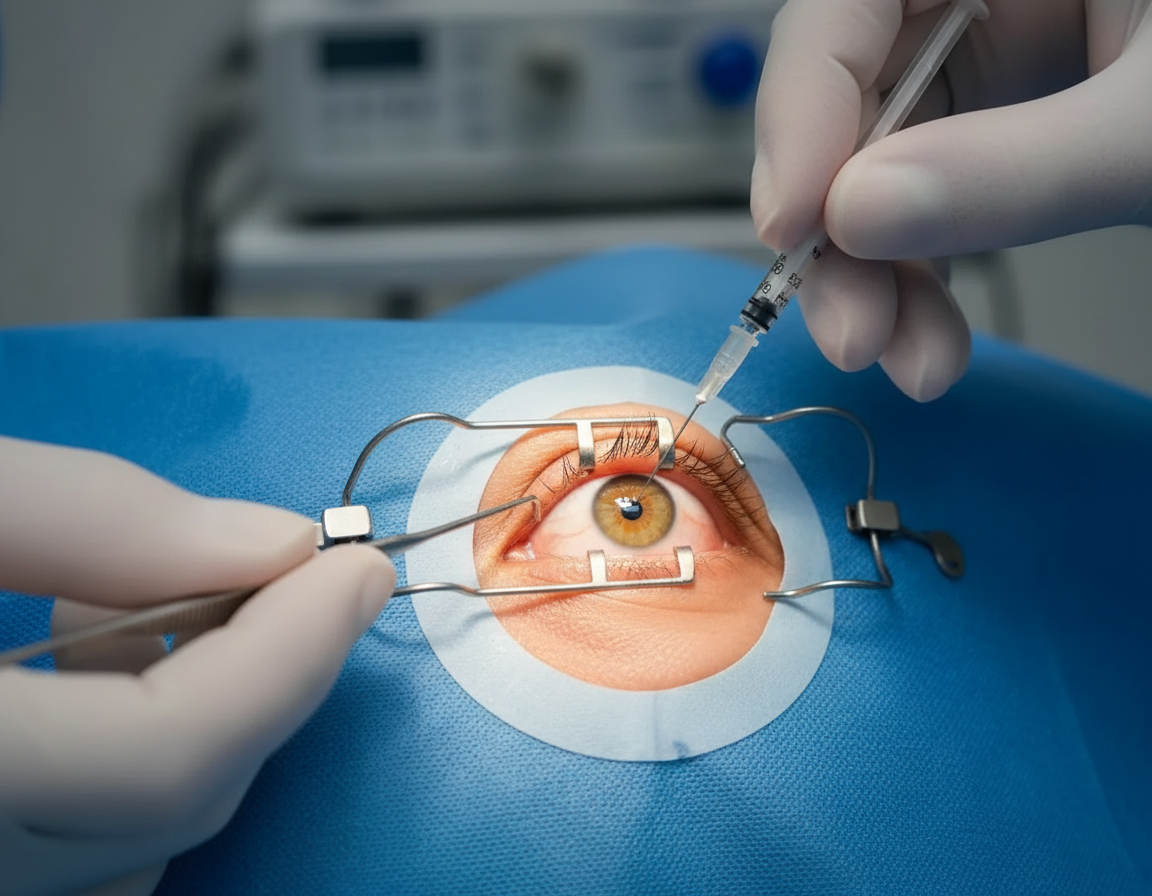
These injections deliver medication directly inside the eye, allowing the treatment to act precisely where it is needed. The goal is to reduce swelling, control disease progression, and protect vision.
Advantages of Injection Treatment
Intravitreal injections can help:
- Stabilise vision in many patients
- Reduce swelling in the retina
- Slow or prevent further damage to the macula
- In some cases, improve vision to a certain extent
VITREORETINA SURGERY
The retina is a thin, light-sensitive layer at the back of the eye. It captures images and sends signals to the brain through the optic nerve, allowing us to see.
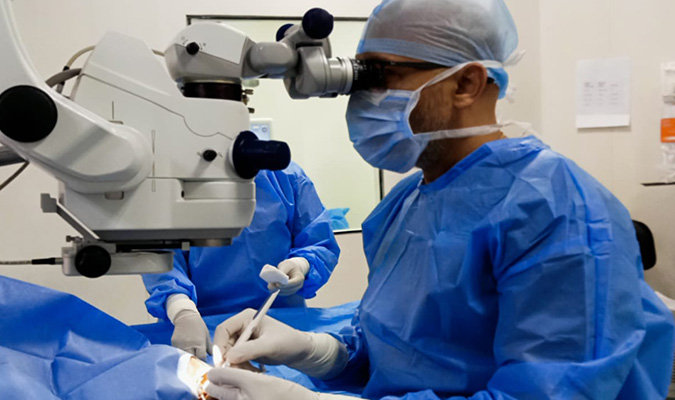
When the retina is affected by disease or injury, it can lead to vision loss. In such cases, vitreoretina surgery may be required to repair the retina and preserve vision.
Common Retinal Conditions Treated with Surgery
Vitreoretina surgery is used to treat several retinal diseases, including:
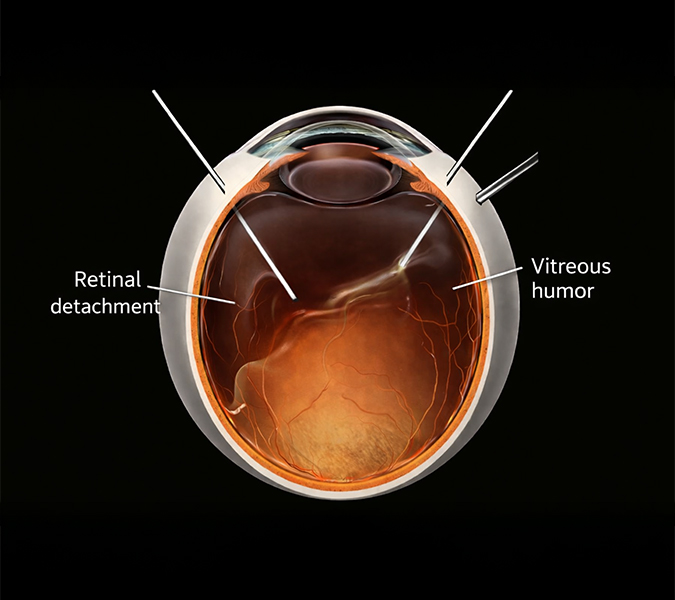
- Retinal detachment
- Macular hole
- Epiretinal membrane
- Vitreous hemorrhage
- Diabetic retinal detachment and related complications
- Intraocular foreign body
Early diagnosis and timely treatment are important to prevent permanent vision damage.
Types of Retina Surgery
Vitrectomy (Most Common Procedure)
Vitrectomy is the most common retinal surgery. It involves removing the vitreous gel inside the eye so the surgeon can repair the retina.
The procedure is performed using very small instruments through tiny incisions. It is minimally invasive and usually sutureless.
Patients often experience faster recovery and improved comfort after surgery.
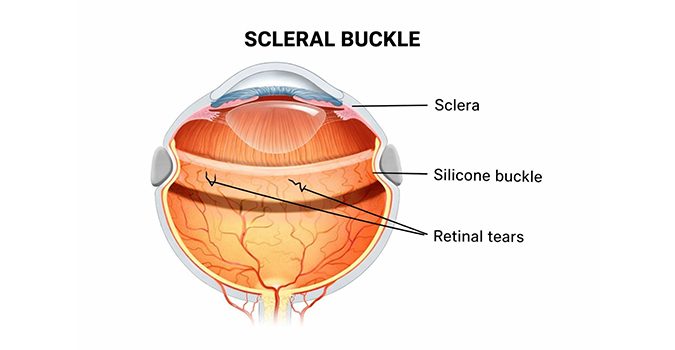
Scleral Buckling
Scleral buckling is used in selected cases of retinal detachment. In this procedure, a soft silicone band is placed around the eye.
This band gently supports the eye wall and helps the retina reattach and heal.
Use of Silicone Oil or Gas
In some cases, silicone oil or gas is placed inside the eye during surgery. This helps keep the retina in place while it heals.
Silicone oil may need to be removed after about 3–6 months, depending on the condition and healing progress.
Advanced Technology in Vitreoretina Surgery
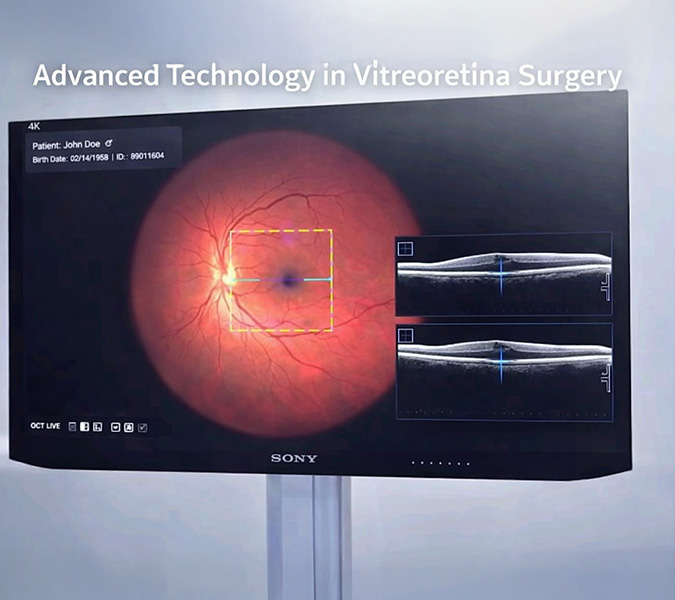
Intraoperative OCT (Optical Coherence Tomography)
Intraoperative OCT is a real-time retinal imaging system used during surgery. It provides detailed cross-sectional images of the retina.
This allows the surgeon to see microscopic retinal structures during the procedure and make precise surgical decisions.
Benefits for patients include:
- Higher surgical accuracy
- Improved safety
- Better visual outcomes
ARTEVO 800 Digital 3D Visualization System
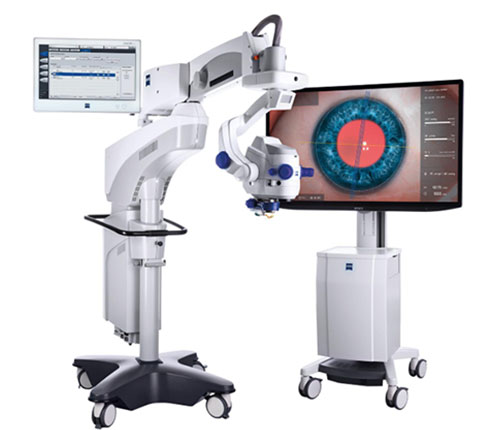
The ARTEVO 800 is an advanced digital 3D surgical microscope used for retinal surgery.
It provides high-definition 3D visualization of the retina on a large screen. This allows the surgeon to see the surgical field with enhanced clarity and depth.
Advantages include:
- Greater precision during delicate surgery
- Better depth perception
- Reduced light exposure to the eye
These technologies represent the latest advancements in vitreoretinal surgery.
Cornea & External Eye Diseases
Focused care for corneal and surface eye disorders, from infections to advanced surgical treatments.
- Corneal infections and dystrophies
- Keratoconus management
- Corneal transplantation
- Ocular surface disorders
EYE BANK SERVICES
Eye donation is a powerful way to help someone regain vision. A simple act of generosity can transform lives and bring light to those living with corneal blindness. Only the cornea (the clear front part of the eye) is transplanted, not the entire eyeball. A single donor can help restore vision for more than one person.
Who Can Donate Eyes?
- Anyone above 8 years of age can donate their eyes.
- People who have high-power spectacles can donate.
- Individuals who have undergone cataract or glaucoma surgery can also donate.
- People who passed away due to cancer, AIDS, HIV, or hepatitis may still donate eyes.
- In some cases, these corneas may not be used for transplantation but can be used for medical research and training.
How Do Eye Banks Function?
- Eyes are donated after death and collected by the eye bank team.
- The donated eyeballs are preserved in special cold storage.
- The cornea is examined and prepared for transplantation.
- Penetrating keratoplasty (corneal transplant surgery) is usually performed within 14 days.
- Eye banks maintain a list of patients with corneal diseases who require corneal transplantation.

Registering for Eye Donation
- Individuals who wish to donate eyes can register with an eye bank.
- Registration helps ensure that family members are aware of the donor’s wishes.
- Eye donation is voluntary and not a legal requirement.
- Even if the person has not registered, next of kin can consent to donation after death.
Important Note
- Eye donation does not cause any facial deformity.
- Doctors ensure the donor’s appearance is preserved with utmost dignity.
- Only the cornea is transplanted, not the entire eyeball.
Two eyes. Two lives
changed forever.
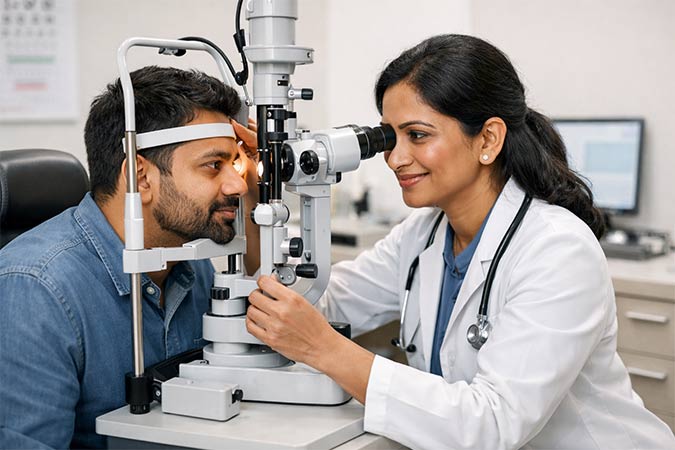
General Ophthalmology
Complete eye care for routine vision needs and common eye conditions.
- Comprehensive eye examination
- Vision assessment and refraction
- Dry eye evaluation and treatment
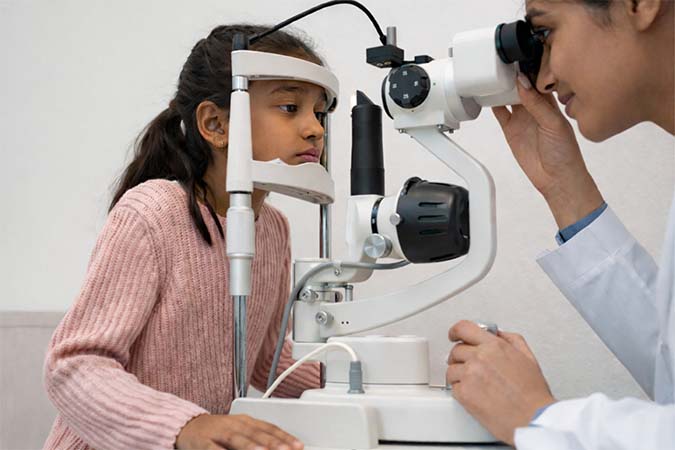
Paediatric Ophthalmology & Squint
Dedicated eye care for children, addressing vision development, squint, and lazy eye conditions.
- Child eye examinations
- Squint evaluation and surgery
- Amblyopia (lazy eye) management
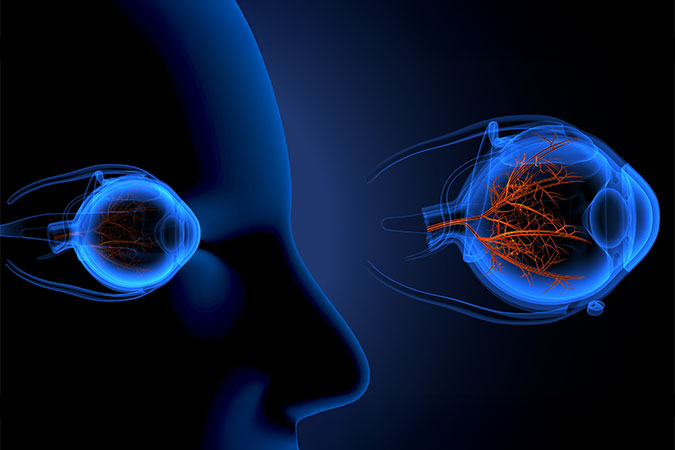
Neuro-Ophthalmology
Expert evaluation of vision disorders related to the brain, optic nerve, and neurological system.
- Optic nerve disorders
- Visual field defects
- Neurological vision problems
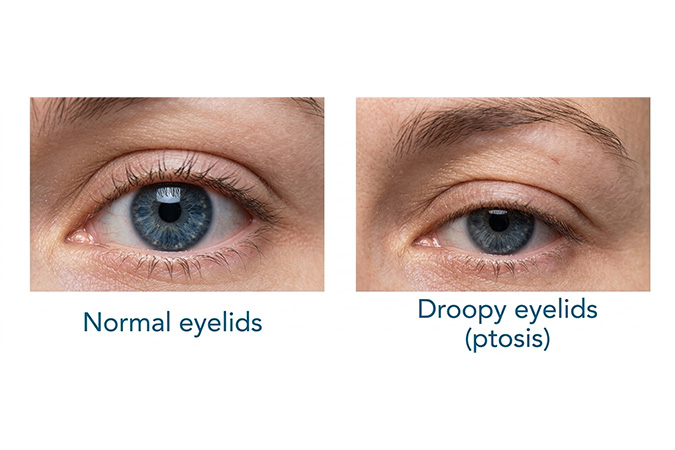
Oculoplasty (Eye Plastic Surgery)
Specialised surgical care for eyelids, tear ducts, and orbital conditions, combining function and precision.
- Eyelid disorders
- Lacrimal (tear duct) surgery
- Orbital disease management
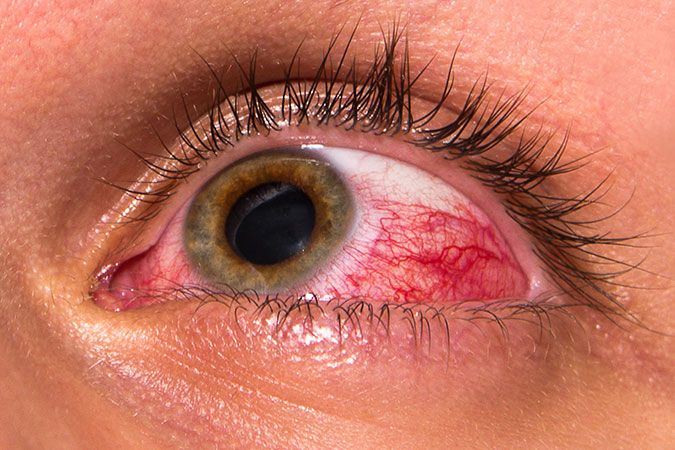
Uveitis & Ocular Inflammation
Accurate diagnosis and long-term management of inflammatory eye diseases to protect vision
- Diagnosis and long-term management
- Medical therapy, Intravitreal Injections and monitoring
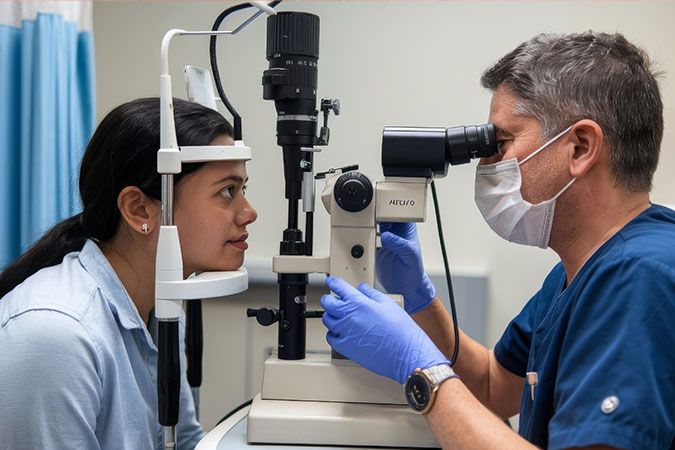
Diagnostic Services
In-depth examinations to support early detection, treatment planning, and follow-up care.
- OCT (Optical Coherence Tomography)
- Fundus photography
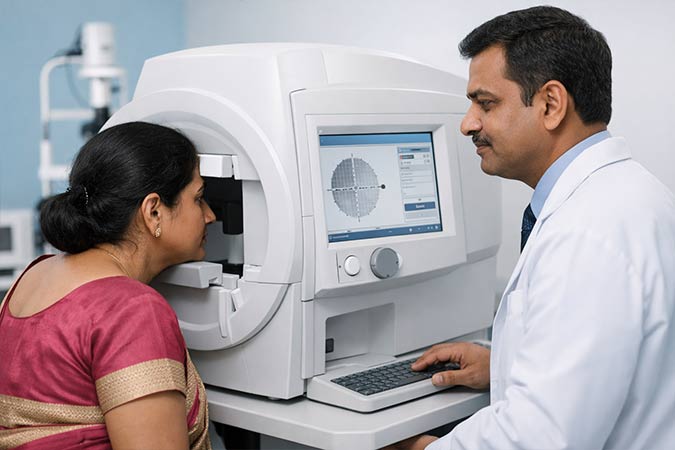
- Visual field analysis
- Corneal topography
- Ultrasound B-scan
Optical Services
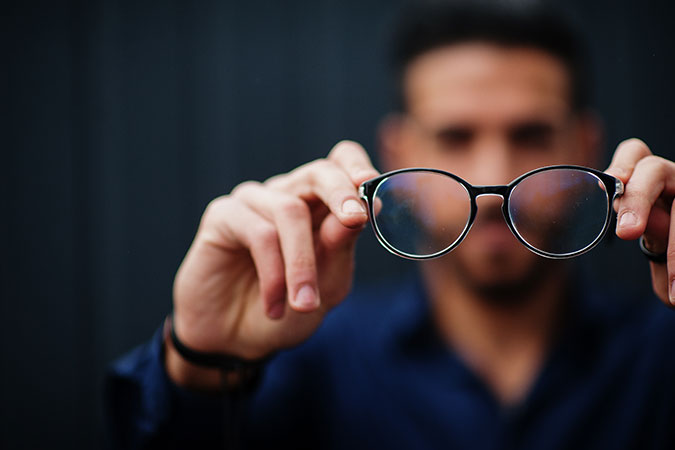
Professional guidance and customised eyewear solutions to meet everyday vision needs.
- Spectacles and contact lenses
- Contact lens fitting and counseling
Charitable Services & Community Eye Care
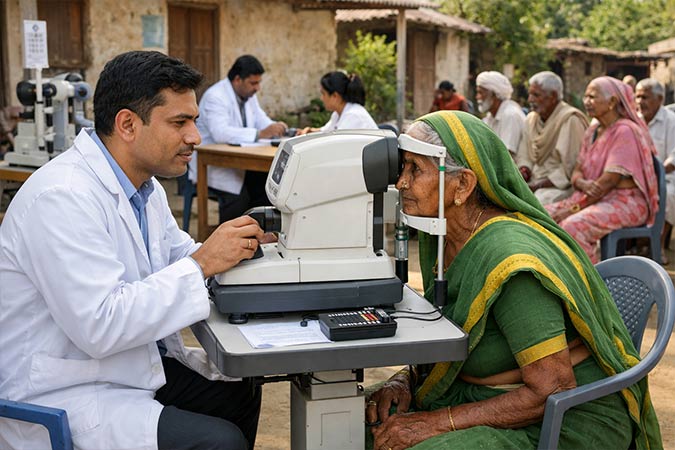
We offer 1000+ free eye care services annually, reaching communities through outreach camps and programs.
- Community eye screening camps
- Diabetic retinopathy and Cataract screening programs
- Monetary contributions and eye donation initiatives
- Regular free and concessional care for those in need (Registered under Bombay Public Trust Act, 1950. Reg. No. F8185)